THE GENESIS OF THE PORSCHE BRAND – PT. 3
- July 4, 2026
- Desert Drives, Uncategorized
- Posted by Gary Lea
- Comments Off on THE GENESIS OF THE PORSCHE BRAND – PT. 3
From Endangered Species to Immortal Legend
By Gary Lea
This is a wonderful point to continue our story because 1974 through 1998 is arguably one of the most dramatic chapters in the history of the Porsche 911.
During these twenty-five years, the 911 survived emissions regulations, safety requirements, the oil crisis, repeated predictions of its demise, and finally, the end of the air-cooled era.
By 1998, the 911 had emerged as one of the world’s greatest automotive icons.
If the first decade of the 911 was about proving the concept, the next quarter century was about proving that the concept could survive almost anything.
The Porsche 911 Comes of Age (1974–1998)
By 1974, many people, including some within Porsche, believed the rear-engine, air-cooled sports car had reached the end of its useful life.
They were wrong.
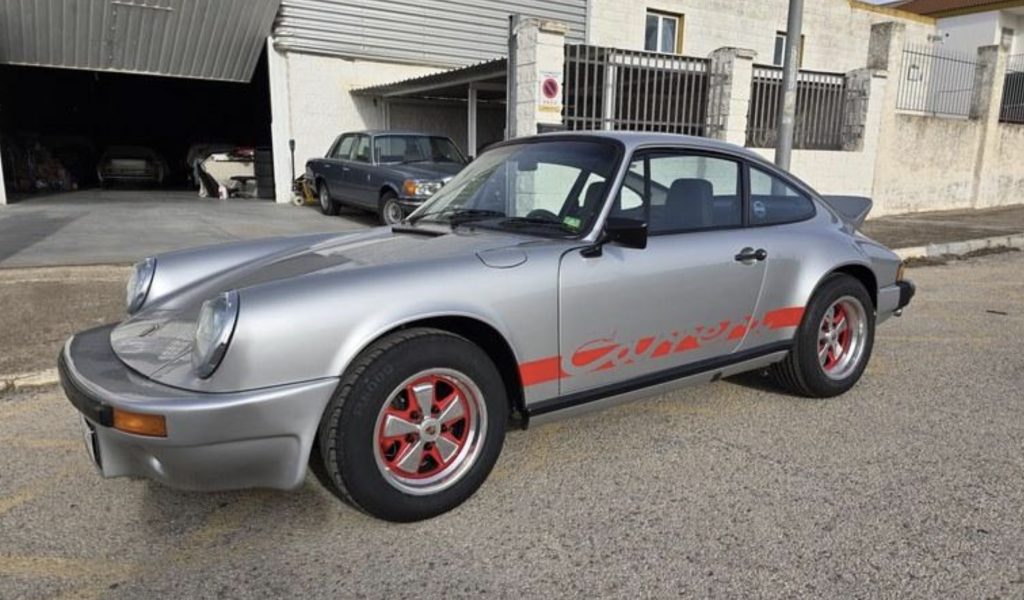
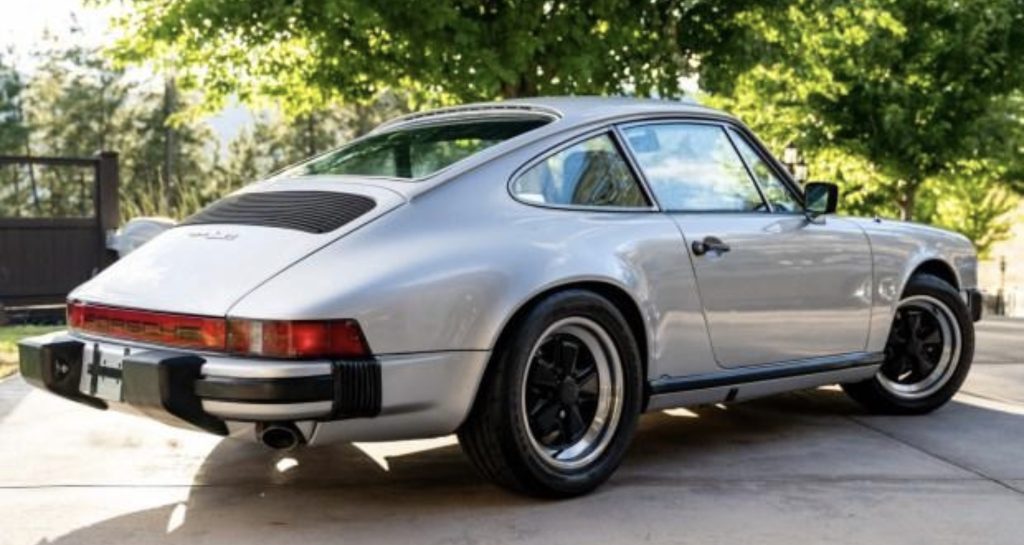
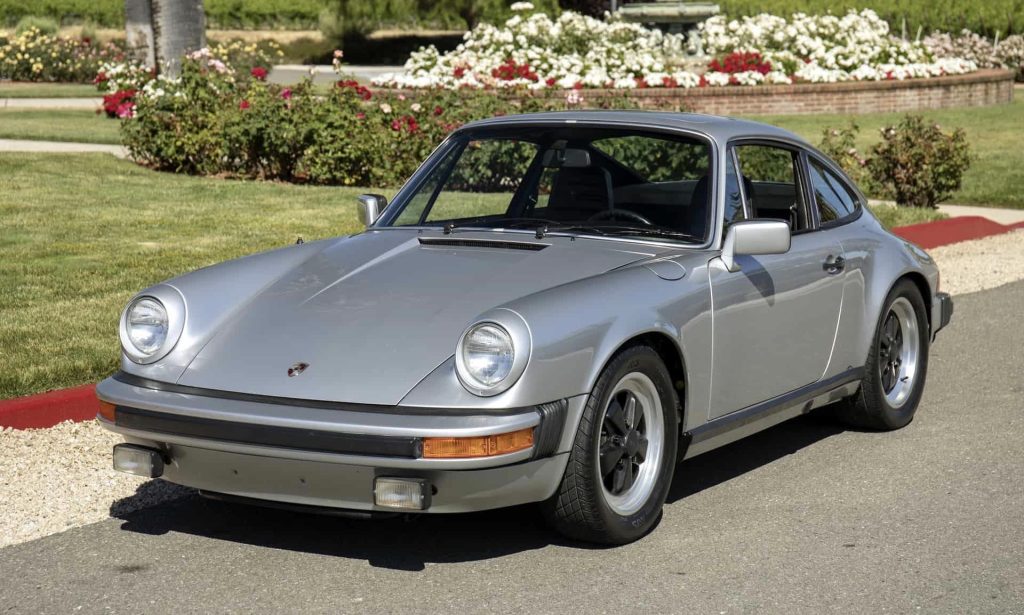
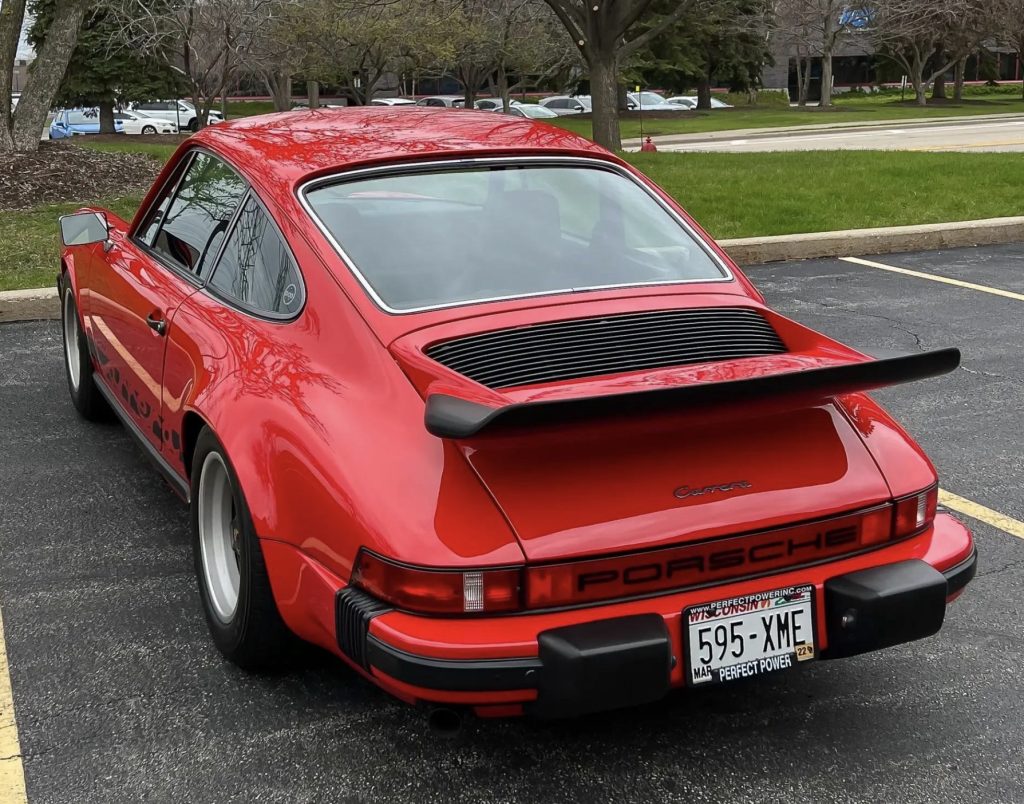
The most obvious change appeared immediately. Gone were the delicate chrome bumpers of the early cars. In their place came thick black bellows and aluminum impact bumpers designed to satisfy increasingly strict American crash regulations.
Many enthusiasts hated them at first.
Today, they define an entire era.
The new bumpers could absorb low-speed impacts while still preserving the graceful proportions of the original design. It was a remarkable achievement in both engineering and styling.
Underneath, displacement increased to 2.7 liters, safety improved significantly, and Porsche continued doing what it did best: refining rather than reinventing.
The Shadow of Extinction
As nostalgic as I feel about the late 1960s and early 1970s, the automotive world was heading toward some difficult times.
This was especially true for performance cars.
The 1973 oil crisis changed public attitudes almost overnight. Fuel economy suddenly mattered. Governments demanded cleaner emissions. Insurance rates climbed.
Many manufacturers simply abandoned performance cars altogether.
Even Porsche questioned whether the 911 had a future.
Instead of giving up, the company quietly made the car better every single year.
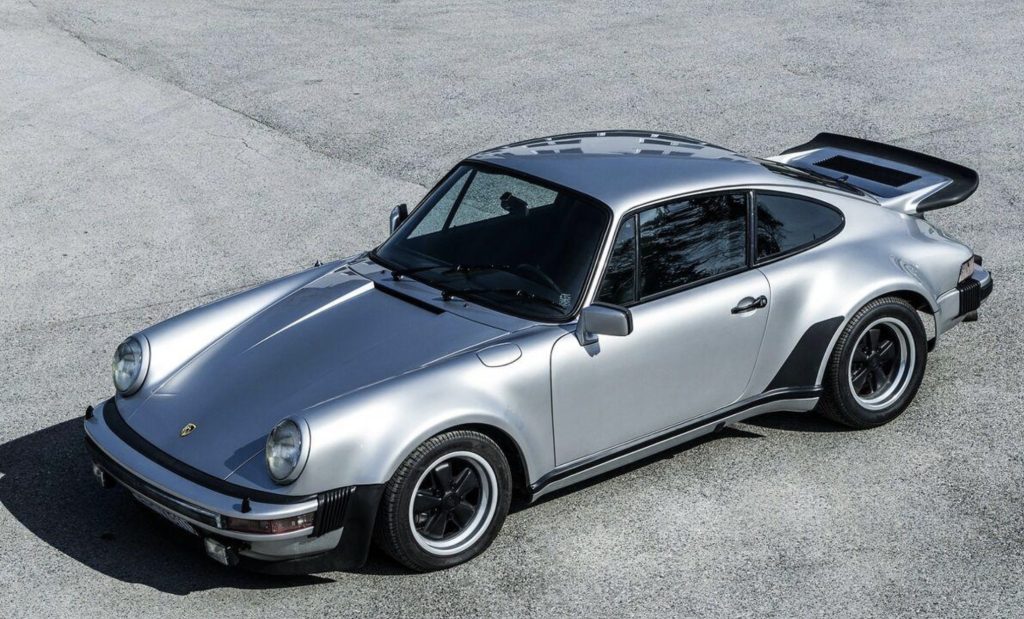
The Creation of a Monster: The Porsche 930 Turbo
One of the most influential sports cars ever built arrived almost accidentally.
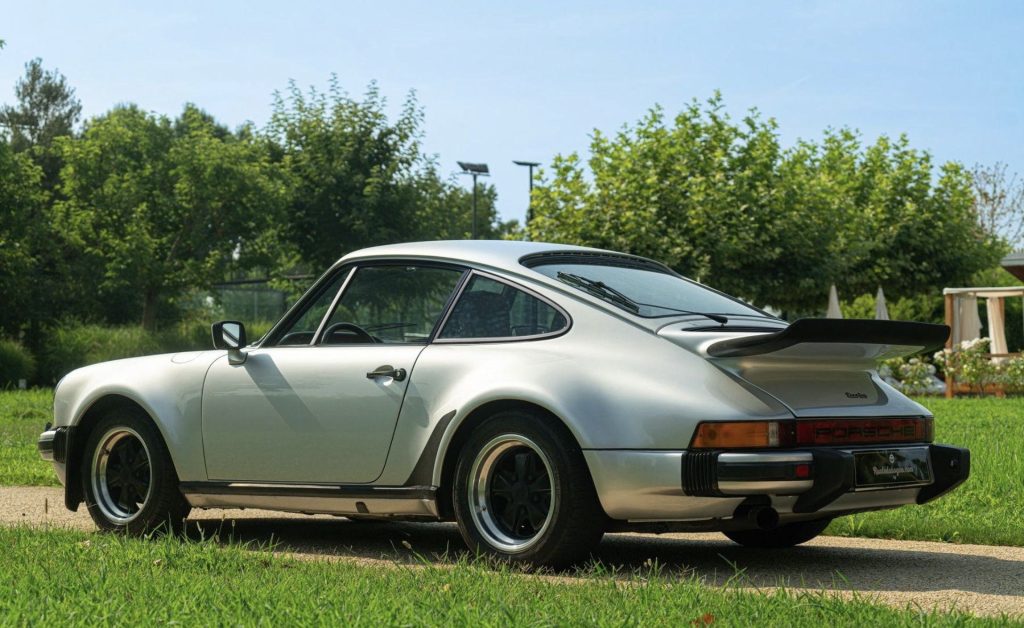
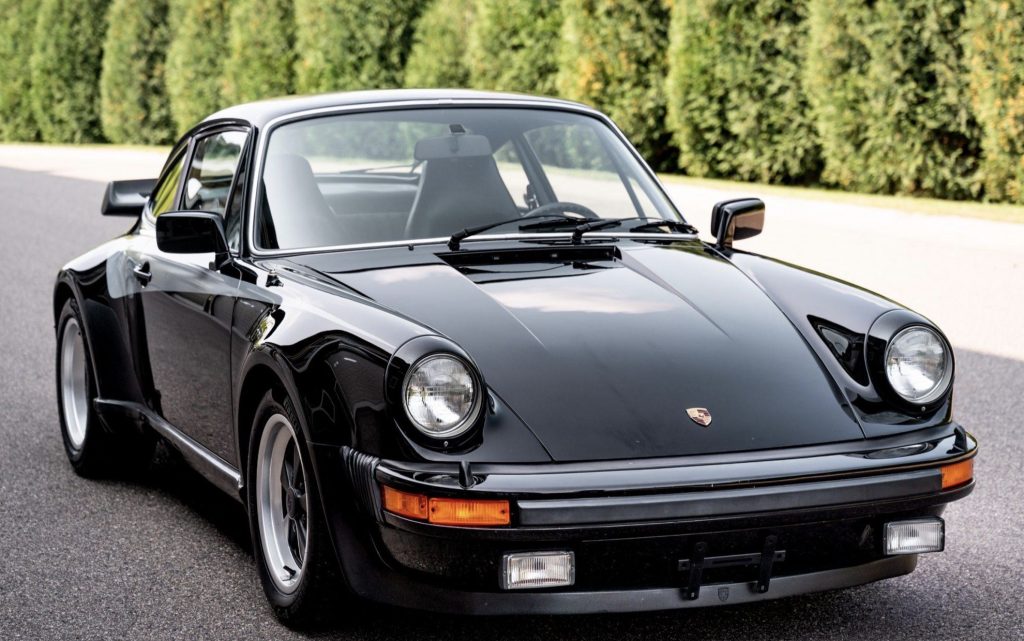
The Porsche 930 Turbo.
Using turbocharging technology developed through Porsche’s racing program, the 930 arrived with enormous rear fenders, aggressive styling, and the now-famous “whale tail” spoiler.
It completely changed what people expected from a road-going 911.
Early cars produced around 260 horsepower. Today, that may sound modest.
In 1975, it was terrifying.
Turbo lag was immense.
Nothing happened…
Nothing happened…
Then everything happened!
The boost arrived like a hammer.
Drivers quickly learned to respect the 930. It gained the nickname “Widowmaker” because lifting off the throttle mid-corner could produce sudden oversteer from the combination of rear-engine balance and abrupt turbo power delivery.
Handled correctly, however, the 930 was devastatingly fast.
Today, early air-cooled Turbos command serious premiums. Those who bought them new and kept them made exceptional investments.
The original price was roughly $25,800 in 1975, which translates to approximately $168,000 today. That is close to where many 1970s Turbos trade today.
Over five decades of driving enjoyment with proper maintenance?
That is a pretty good return.
The 911 SC: Saving the Legend
Many historians consider the Porsche 911 SC the car that truly saved the 911.
Introduced in 1978 with a durable 3.0-liter aluminum engine, the SC focused on reliability as much as outright performance.
Ironically, Porsche originally planned for it to be the final evolution before the front-engine Porsche 928 replaced the 911.
Customers had other ideas.
Buyers overwhelmingly preferred the 911, forcing Porsche to reconsider.
The SC proved the formula still worked. Sales were strong, and customers sent a very clear message.
The 911 was not going anywhere.
Peter Schutz Saves the 911
One of the most famous moments in Porsche history involved CEO Peter W. Schutz.
Soon after joining Porsche in 1981, Schutz reportedly noticed a product planning chart in Chief Engineer Helmuth Bott’s office showing 911 production ending.
He walked over, picked up a marker, and extended the 911 timeline across the chart and onto the wall.
His message was simple:
“Make it happen.”
Whether the story has grown over time hardly matters. The decision was real.
The 911 would continue.
Without that moment, the modern 911 as we know it may never have existed.
Every 911 enthusiast owes a little gratitude to Peter Schutz.
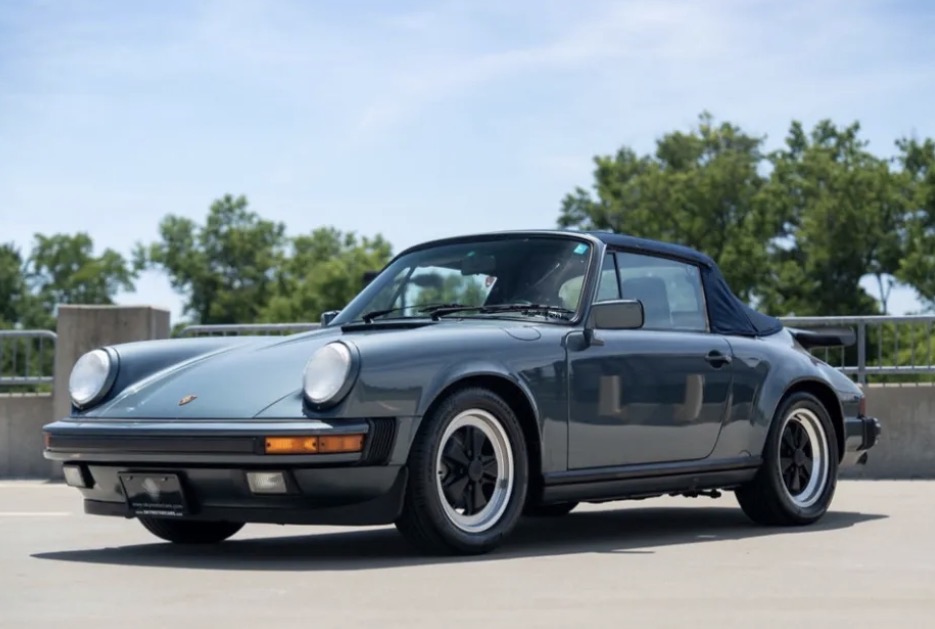
The First Cabriolet
In 1983, Porsche introduced something many thought impossible.
A true convertible 911.
Unlike the earlier Targa, this was a full open-top experience. It quickly became one of Porsche’s biggest successes and expanded the appeal of the 911 beyond traditional enthusiasts.
The Cabriolet continues today and remains one of the most recognizable versions of the 911.
Carrera 3.2: Refining Perfection
Beginning in 1984, the Carrera 3.2 represented the mature evolution of the G-Series.
The engine grew again. Power increased. Electronics improved. Reliability became legendary.
After the introduction of the smoother G50 gearbox in 1987, many enthusiasts considered these cars among the finest classic 911s ever built.
The 964: Familiar Looks, Major Changes
The next generation looked familiar, but appearances were deceiving.
The Porsche 964 was approximately 85% new.
Major innovations included:
• Coil-spring suspension replacing torsion bars
• Available all-wheel drive
• Power steering
• ABS brakes
• Retractable rear spoiler
• Improved aerodynamics
• Modern climate control
To traditionalists, it looked almost unchanged.
Mechanically, it was an entirely different automobile.
Racing Never Stopped
While the road cars continued to evolve, Porsche kept winning.
The 911 proved remarkably adaptable, becoming:
• A rally car
• A GT racer
• An endurance champion
• A one-make racing series icon
Competition improved every generation.
Lessons learned at events like the 24 Hours of Le Mans eventually reached Porsche production cars and influenced automotive engineering far beyond the Porsche brand.
“Race on Sunday, sell on Monday” became part of the Porsche philosophy.
1994: The Final Air-Cooled Masterpiece
Then came what many enthusiasts still consider one of the greatest 911 generations ever built.
The Porsche 993.
Although unmistakably a 911, nearly every component was redesigned.
A multi-link rear suspension dramatically improved stability. The body became smoother and more muscular. Many models received a six-speed manual transmission.
The 993 Turbo also became the first production 911 Turbo with all-wheel drive.
Combined with improved suspension, a wider rear track, and advances in tire technology, Porsche dramatically improved the challenging characteristics of earlier Turbos.
It was breathtakingly quick, yet remarkably civilized.
The End of Air Cooling
For thirty-five years, every 911 had been cooled by air.
The mechanical fan noise.
The unique sound.
The character.
It was all part of the car’s identity.
However, increasing emissions regulations and the pursuit of greater performance made water cooling inevitable.
When the final 993 left production in 1998, an era ended.
Many enthusiasts did not fully realize it at the time.
History would.
Final Thoughts
The remarkable thing about this era is not simply that Porsche improved the 911.
It is that Porsche resisted the temptation to abandon it.
Almost every challenge suggested the 911 should disappear:
• Oil crises
• Safety regulations
• Emissions laws
• Competition from newer designs
• Internal pressure to replace it
Instead, Porsche refined the same fundamental idea year after year until it became better than anyone thought possible.
By 1998, the 911 had evolved from an unconventional sports car into a living institution.
It had survived changing trends, changing technology, and changing expectations while remaining unmistakably itself.
COMING IN CHAPTER 4
The Water-Cooled Revolution (1998–2011)
We will explore the controversial Porsche 996, the return to form with the Porsche 997, the rise of the GT3, and how Porsche transformed the 911 from a brilliant sports car into one of the greatest performance machines ever built.